
Laying the Conditioning Base for Championship Plant Growth
A high-performing planted aquarium is conditioned from the bottom upward. The substrate is not decorative flooring; it is the training base where roots anchor, microbes colonize, nutrients are held, and water moves through the benthic zone. Just as an aquatic athlete cannot produce a clean race from an unstable starting block, a plant cannot sustain vigorous growth when its root environment is chemically empty or physically sealed.
Water-column fertilizing can correct deficiencies above the sediment, but it cannot fully compensate for a substrate that collapses around roots, restricts oxygen transport, or releases every added ion back into the water. The decisive variables are grain diameter, hydraulic conductivity, and cation exchange capacity, or CEC. Together, they determine whether the root zone functions as a living exchange surface or becomes a stagnant lane beneath the aquascape. The following analysis treats substrate selection as a technical discipline, with physical structure and chemical storage working in tandem.
The Fluid Dynamics of Grain Size and Interstitial Flow
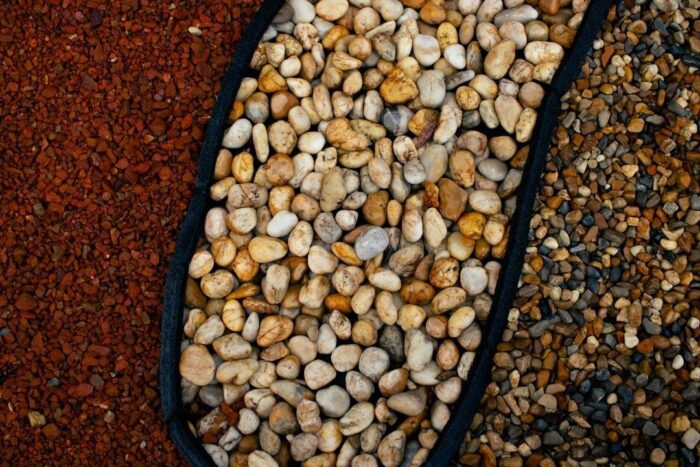
Grain diameter establishes the size and continuity of the spaces between particles. Fine sand below approximately 1 millimeter can create a smooth, compact appearance, but tightly packed grains leave narrow interstitial channels. Those channels restrict bulk water movement and slow the delivery of oxygen into deeper layers. Coarser gravel above roughly 4 millimeters creates larger voids and generally allows easier circulation, although very large gaps may provide poor mechanical support for delicate stems and can allow fine nutrient-bearing material to migrate downward.
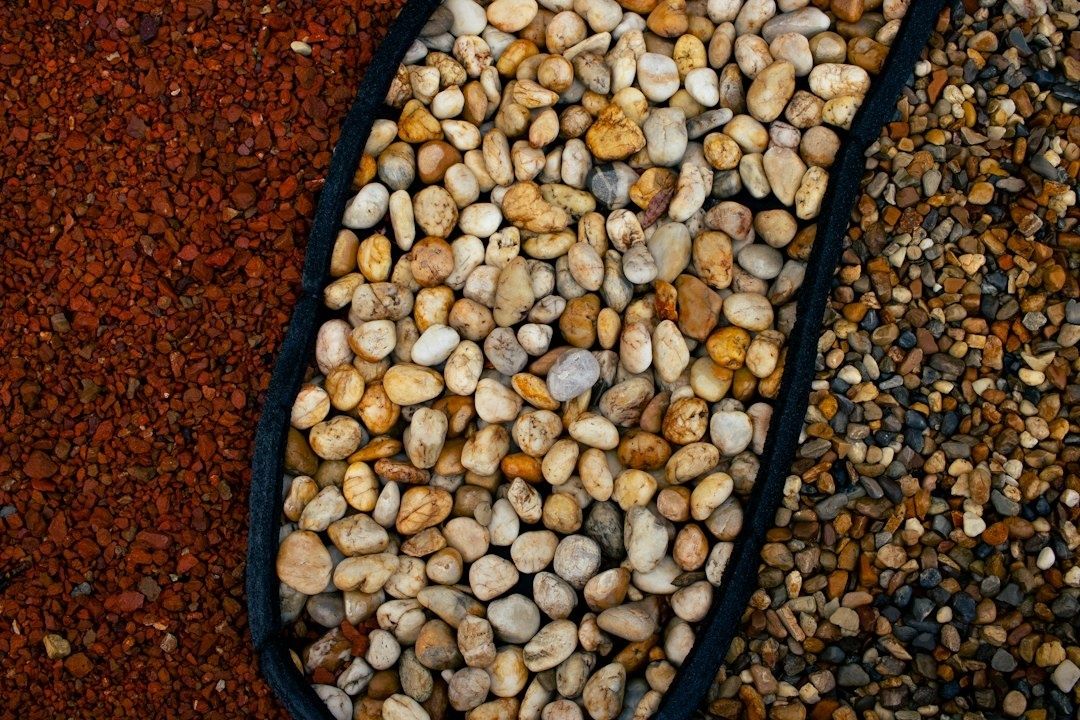
Interstitial flow is subtle rather than turbulent. Water moves through the spaces between grains as pressure differences, plant activity, decomposition, and maintenance disturb the bed. This movement matters because roots and microorganisms consume oxygen, while organic decomposition produces reduced compounds. A well-structured substrate permits enough exchange to prevent the entire root zone from becoming chemically stagnant, while still retaining moisture, nutrients, and microbial surfaces around the roots.
Compaction is the primary risk of an overly fine or poorly graded bed. Repeated planting, settling, detritus accumulation, and the weight of upper layers can close the remaining channels. Deep pockets may then become oxygen-poor dead zones. Anoxic microsites are not automatically harmful, because controlled anaerobic processes occur naturally in mature sediments, but an unplanned, extensive dead zone can generate foul odors, blackened layers, or unstable nutrient release. The goal is not maximum circulation everywhere; it is predictable circulation with no severe bottleneck.
Strategic grading improves that predictability. A porous lower layer can preserve void space, while a finer upper layer supplies planting stability and a more natural visual profile. The transition must be gradual enough to avoid sudden collapse, and slopes should be supported rather than built as unsupported piles. The broad principles of aquarium sediment structure and circulation are outlined in this Authoritative Source on planted aquarium substrate.
- Fine sand: attractive and comfortable for bottom-dwelling animals, but vulnerable to compaction when laid deeply or disturbed repeatedly.
- Medium gravel: offers improved pore space and easier maintenance, though individual grains may provide limited nutrient retention.
- Porous volcanic media: creates additional bacterial habitat and can help maintain open structure beneath planted zones.
- Mixed grading: combines support, root anchorage, and circulation, provided fine particles do not completely fill the larger voids.
Cation Exchange Capacity as the Nutrient Powerhouse
Cation Exchange Capacity describes how much positively charged nutrient material a substrate can adsorb, retain, and later make available to plant roots. It is best understood as an electrostatic sponge. Negatively charged surfaces in clay, humus, and certain mineral materials attract cations such as potassium, calcium, magnesium, ammonium, and several micronutrient forms. A high CEC means greater storage capacity; it does not prove that the material already contains a complete fertilizer supply.
Root uptake is an active exchange process. As roots respire and grow, they release hydrogen ions and other compounds into the rhizosphere. These changes can displace nutrient cations from exchange sites, placing them into the thin film of water immediately surrounding the root. The plant can then absorb them through root tissues. This is why a chemically active substrate can support sustained feeding even when the water column appears relatively lean. For a broader explanation of nutrient storage and ionic binding, consult the NCSU soil and plant nutrient handbook.
Inert quartz sand generally has very low CEC, often less than 1 milliequivalent per 100 grams in broad soil comparisons. It can anchor plants and remain chemically stable, but it does little to retain added nutrients. Clays, zeolites, humus, and soil-derived materials can offer substantially greater exchange capacity. Active aquasoils combine fine mineral and organic components with a manufactured granule structure, creating a nutrient-holding bed that is highly effective but not chemically neutral.
CEC must also be considered alongside hardness and buffering. Active soils may exchange ions with the water column and can lower carbonate hardness or influence pH, particularly during the early life of a setup. If the aquarium is supplied with very soft water, the buffering reserve may be exhausted faster than expected. Stability requires monitoring, not assumptions. A substrate that supports strong root feeding but continually pushes hardness and alkalinity downward may need adjusted water preparation or a complementary inert layer.
- Identify the exchange material. Determine whether the substrate contains clay, humus, soil, zeolite, or another high-surface-area component.
- Separate storage from supply. Treat CEC as the size of the pantry, not proof of how much food is inside it.
- Track water chemistry. Monitor pH, carbonate hardness, general hardness, ammonia, and plant response during the first weeks and after major maintenance.
- Match feeding to the root system. Heavy root feeders benefit more from local nutrient storage than epiphytic plants attached to wood or rock.
Substrate Arena Performance Benchmarking
No substrate wins every event. Inert sand excels at visual control and chemical neutrality, while natural gravel offers dependable anchorage and moderate circulation. Porous volcanic rock contributes open structure and extensive microbial habitat. Active aquasoil provides the strongest combination of nutrient storage and root-zone access, but its buffering behavior and granule breakdown require closer management over time.
| Material | CEC potential | Compaction tendency | Buffering behavior | Long-term structure |
|---|---|---|---|---|
| Inert quartz sand | Very low | Moderate to high in deep beds | Usually neutral | Physically durable |
| Natural gravel | Low to moderate | Low to moderate | Depends on mineral composition | Generally durable |
| Porous volcanic rock | Low to moderate, with strong surface area | Low | Often chemically stable when inert | Strong structural lifespan |
| Active aquasoil | Moderate to high | Moderate as granules age | Can lower pH and carbonate hardness | Gradually softens or breaks down |
Plant architecture should drive the final selection. Cryptocoryne, Echinodorus, Vallisneria, and many stem plants with substantial root systems need a stable planting medium and access to localized nutrients. Bucephalandra, Anubias, and Java fern are primarily water-column feeders and should not be buried by their rhizomes. Carpeting plants require a compromise: grains must be fine enough for runners or shallow roots to establish, but open enough to prevent the surface from sealing.
Coaching Your Substrate for Long Distance Endurance
Layering can combine the strengths of several materials, but it should be engineered rather than improvised. A porous volcanic base can support slope stability and preserve lower-level voids, while a high-CEC upper layer places nutrients close to actively growing roots. This approach is especially useful in deep layouts, where a uniform fine substrate is more likely to compress under its own weight.
Porous volcanic media are commonly promoted for their large internal and external surface area, bacterial colonization, and resistance to compaction. Some volcanic products are also described as interlocking, which can help hold steep slopes in position. However, product claims should not replace observation. Inspect the bed for slumping, exposed lower layers, trapped detritus, and changes in plant rooting. A substrate that looks stable at setup may shift after repeated planting and water movement.
Root tabs provide a controlled way to replenish nutrients near heavy feeders without rebuilding the entire aquarium. They do not magically restore every exchange site, and they should not be scattered indiscriminately. Place them below or beside established root zones, avoid crushing delicate roots, and follow the product dosage rather than creating a dense nutrient pocket. As active soil ages, local supplementation can preserve plant performance while water chemistry is monitored for unwanted changes.
- Build slopes with retaining stones, terraces, or structural supports rather than relying solely on loose granules.
- Keep the deepest layers porous, especially beneath broad areas planted with heavy root feeders.
- Use gentle siphoning at the surface and avoid repeatedly vacuuming deep into a planted bed.
- Replant carefully, because constant uprooting mixes fine particles into larger pore spaces.
- Check for warning signs such as persistent sulfur odor, black sediment, melting plants, or unexplained nutrient swings.
Execute Your Benthic Game Plan for Sustained Peak Vitality
Reliable substrate performance depends on two linked systems. Physical porosity governs water movement, oxygen access, anchorage, and microbial habitat. Chemical charge governs nutrient retention and release. A coarse, inert bed may circulate well but offer little nutrient storage; a highly active soil may feed roots effectively but require careful management of hardness, pH, and structural aging. Championship results come from balancing both lanes rather than selecting a material by appearance or marketing language.
Assess the aquarium as a coach would assess an athlete. Examine grain size, bed depth, slope stability, root architecture, water chemistry, and plant response as separate checkpoints. If roots are shallow and nutrients disappear quickly, improve local CEC. If the substrate smells foul or collapses into a sealed layer, address hydraulic structure. If active soil is exhausting the water’s buffering reserve, adjust the water plan. A deliberate diagnosis followed by targeted correction builds the resilient benthic foundation that supports vigorous growth season after season.