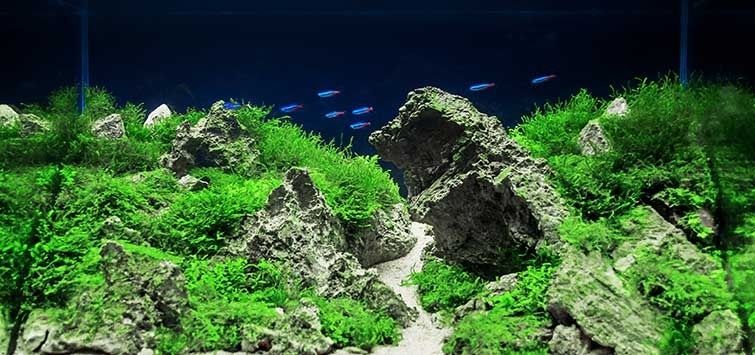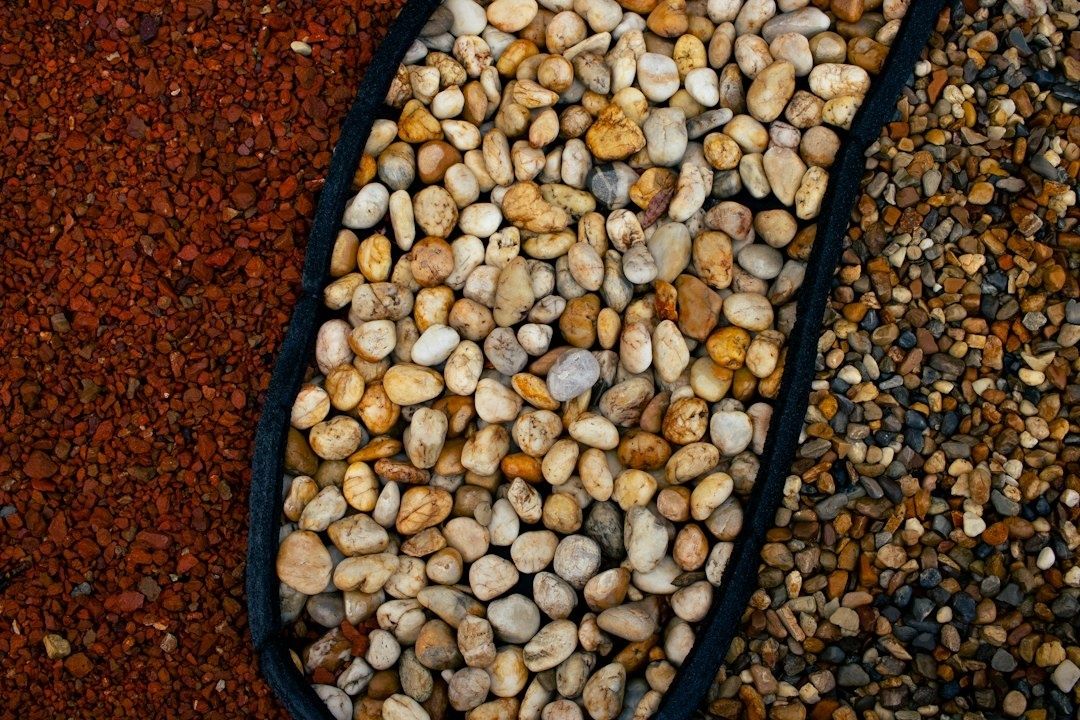
Three sections of aquarium substrate show red, pale, and mixed gravel

The Substrate Spectrum: How Grain Size and Cation Exchange Dictate Plant Health

Laying the Conditioning Base for Championship Plant Growth

A high-performing planted aquarium is conditioned from the bottom upward. The substrate is not decorative flooring; it is the training base where roots anchor, microbes colonize, nutrients are held, and water moves through the benthic zone. Just as an aquatic athlete cannot produce a clean race from an unstable starting block, a plant cannot sustain vigorous growth when its root environment is chemically empty or physically sealed.

Water-column fertilizing can correct deficiencies above the sediment, but it cannot fully compensate for a substrate that collapses around roots, restricts oxygen transport, or releases every added ion back into the water. The decisive variables are grain diameter, hydraulic conductivity, and cation exchange capacity, or CEC. Together, they determine whether the root zone functions as a living exchange surface or becomes a stagnant lane beneath the aquascape. The following analysis treats substrate selection as a technical discipline, with physical structure and chemical storage working in tandem.

The Fluid Dynamics of Grain Size and Interstitial Flow

Grain diameter establishes the size and continuity of the spaces between particles. Fine sand below approximately 1 millimeter can create a smooth, compact appearance, but tightly packed grains leave narrow interstitial channels. Those channels restrict bulk water movement and slow the delivery of oxygen into deeper layers. Coarser gravel above roughly 4 millimeters creates larger voids and generally allows easier circulation, although very large gaps may provide poor mechanical support for delicate stems and can allow fine nutrient-bearing material to migrate downward.

Three aquarium substrate samples showing fine, medium, and coarse grains
Choosing the right grain size balances root anchorage with oxygen movement, helping the substrate remain both supportive and biologically active.

Interstitial flow is subtle rather than turbulent. Water moves through the spaces between grains as pressure differences, plant activity, decomposition, and maintenance disturb the bed. This movement matters because roots and microorganisms consume oxygen, while organic decomposition produces reduced compounds. A well-structured substrate permits enough exchange to prevent the entire root zone from becoming chemically stagnant, while still retaining moisture, nutrients, and microbial surfaces around the roots.

Compaction is the primary risk of an overly fine or poorly graded bed. Repeated planting, settling, detritus accumulation, and the weight of upper layers can close the remaining channels. Deep pockets may then become oxygen-poor dead zones. Anoxic microsites are not automatically harmful, because controlled anaerobic processes occur naturally in mature sediments, but an unplanned, extensive dead zone can generate foul odors, blackened layers, or unstable nutrient release. The goal is not maximum circulation everywhere; it is predictable circulation with no severe bottleneck.

Strategic grading improves that predictability. A porous lower layer can preserve void space, while a finer upper layer supplies planting stability and a more natural visual profile. The transition must be gradual enough to avoid sudden collapse, and slopes should be supported rather than built as unsupported piles. The broad principles of aquarium sediment structure and circulation are outlined in this Authoritative Source on planted aquarium substrate.

  • Fine sand: attractive and comfortable for bottom-dwelling animals, but vulnerable to compaction when laid deeply or disturbed repeatedly.
  • Medium gravel: offers improved pore space and easier maintenance, though individual grains may provide limited nutrient retention.
  • Porous volcanic media: creates additional bacterial habitat and can help maintain open structure beneath planted zones.
  • Mixed grading: combines support, root anchorage, and circulation, provided fine particles do not completely fill the larger voids.

Cation Exchange Capacity as the Nutrient Powerhouse

Cation Exchange Capacity describes how much positively charged nutrient material a substrate can adsorb, retain, and later make available to plant roots. It is best understood as an electrostatic sponge. Negatively charged surfaces in clay, humus, and certain mineral materials attract cations such as potassium, calcium, magnesium, ammonium, and several micronutrient forms. A high CEC means greater storage capacity; it does not prove that the material already contains a complete fertilizer supply.

Root uptake is an active exchange process. As roots respire and grow, they release hydrogen ions and other compounds into the rhizosphere. These changes can displace nutrient cations from exchange sites, placing them into the thin film of water immediately surrounding the root. The plant can then absorb them through root tissues. This is why a chemically active substrate can support sustained feeding even when the water column appears relatively lean. For a broader explanation of nutrient storage and ionic binding, consult the NCSU soil and plant nutrient handbook.

Inert quartz sand generally has very low CEC, often less than 1 milliequivalent per 100 grams in broad soil comparisons. It can anchor plants and remain chemically stable, but it does little to retain added nutrients. Clays, zeolites, humus, and soil-derived materials can offer substantially greater exchange capacity. Active aquasoils combine fine mineral and organic components with a manufactured granule structure, creating a nutrient-holding bed that is highly effective but not chemically neutral.

CEC must also be considered alongside hardness and buffering. Active soils may exchange ions with the water column and can lower carbonate hardness or influence pH, particularly during the early life of a setup. If the aquarium is supplied with very soft water, the buffering reserve may be exhausted faster than expected. Stability requires monitoring, not assumptions. A substrate that supports strong root feeding but continually pushes hardness and alkalinity downward may need adjusted water preparation or a complementary inert layer.

  1. Identify the exchange material. Determine whether the substrate contains clay, humus, soil, zeolite, or another high-surface-area component.
  2. Separate storage from supply. Treat CEC as the size of the pantry, not proof of how much food is inside it.
  3. Track water chemistry. Monitor pH, carbonate hardness, general hardness, ammonia, and plant response during the first weeks and after major maintenance.
  4. Match feeding to the root system. Heavy root feeders benefit more from local nutrient storage than epiphytic plants attached to wood or rock.

Substrate Arena Performance Benchmarking

No substrate wins every event. Inert sand excels at visual control and chemical neutrality, while natural gravel offers dependable anchorage and moderate circulation. Porous volcanic rock contributes open structure and extensive microbial habitat. Active aquasoil provides the strongest combination of nutrient storage and root-zone access, but its buffering behavior and granule breakdown require closer management over time.

Material CEC potential Compaction tendency Buffering behavior Long-term structure
Inert quartz sand Very low Moderate to high in deep beds Usually neutral Physically durable
Natural gravel Low to moderate Low to moderate Depends on mineral composition Generally durable
Porous volcanic rock Low to moderate, with strong surface area Low Often chemically stable when inert Strong structural lifespan
Active aquasoil Moderate to high Moderate as granules age Can lower pH and carbonate hardness Gradually softens or breaks down

Plant architecture should drive the final selection. Cryptocoryne, Echinodorus, Vallisneria, and many stem plants with substantial root systems need a stable planting medium and access to localized nutrients. Bucephalandra, Anubias, and Java fern are primarily water-column feeders and should not be buried by their rhizomes. Carpeting plants require a compromise: grains must be fine enough for runners or shallow roots to establish, but open enough to prevent the surface from sealing.

Coaching Your Substrate for Long Distance Endurance

Layering can combine the strengths of several materials, but it should be engineered rather than improvised. A porous volcanic base can support slope stability and preserve lower-level voids, while a high-CEC upper layer places nutrients close to actively growing roots. This approach is especially useful in deep layouts, where a uniform fine substrate is more likely to compress under its own weight.

Porous volcanic media are commonly promoted for their large internal and external surface area, bacterial colonization, and resistance to compaction. Some volcanic products are also described as interlocking, which can help hold steep slopes in position. However, product claims should not replace observation. Inspect the bed for slumping, exposed lower layers, trapped detritus, and changes in plant rooting. A substrate that looks stable at setup may shift after repeated planting and water movement.

Root tabs provide a controlled way to replenish nutrients near heavy feeders without rebuilding the entire aquarium. They do not magically restore every exchange site, and they should not be scattered indiscriminately. Place them below or beside established root zones, avoid crushing delicate roots, and follow the product dosage rather than creating a dense nutrient pocket. As active soil ages, local supplementation can preserve plant performance while water chemistry is monitored for unwanted changes.

  • Build slopes with retaining stones, terraces, or structural supports rather than relying solely on loose granules.
  • Keep the deepest layers porous, especially beneath broad areas planted with heavy root feeders.
  • Use gentle siphoning at the surface and avoid repeatedly vacuuming deep into a planted bed.
  • Replant carefully, because constant uprooting mixes fine particles into larger pore spaces.
  • Check for warning signs such as persistent sulfur odor, black sediment, melting plants, or unexplained nutrient swings.

Execute Your Benthic Game Plan for Sustained Peak Vitality

Reliable substrate performance depends on two linked systems. Physical porosity governs water movement, oxygen access, anchorage, and microbial habitat. Chemical charge governs nutrient retention and release. A coarse, inert bed may circulate well but offer little nutrient storage; a highly active soil may feed roots effectively but require careful management of hardness, pH, and structural aging. Championship results come from balancing both lanes rather than selecting a material by appearance or marketing language.

Assess the aquarium as a coach would assess an athlete. Examine grain size, bed depth, slope stability, root architecture, water chemistry, and plant response as separate checkpoints. If roots are shallow and nutrients disappear quickly, improve local CEC. If the substrate smells foul or collapses into a sealed layer, address hydraulic structure. If active soil is exhausting the water’s buffering reserve, adjust the water plan. A deliberate diagnosis followed by targeted correction builds the resilient benthic foundation that supports vigorous growth season after season.

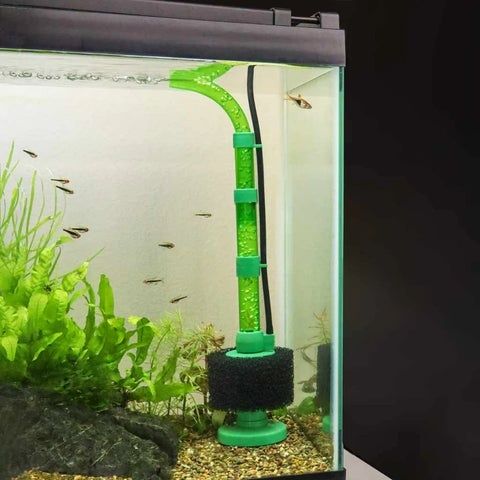
Small aquarium with a green sponge filter and several fish

Setting Up a Dedicated Quarantine Tank: Procedures, Equipment, and Observation

Why Dedicated Quarantine Is Your Main Pool Barrier Control

In a serious aquarium, quarantine is not an emergency lane opened after disease appears. It is a routine performance-preservation system, comparable to placing a new swimmer through controlled acclimatization before entering a championship relay. Every incoming fish, invertebrate, plant, piece of live rock, or wet decoration carries uncertainty. A dedicated quarantine tank creates time, physical separation, and a controlled observation environment in which that uncertainty can be measured without exposing the established display.

Shotgun dosing is the aquatic equivalent of changing every component of a training program because one athlete looks fatigued. It may create chemical stress, obscure clinical signs, damage biological filtration, and select for treatment failure without identifying the underlying problem. Systematic observation is more disciplined. Appetite, respiration, posture, fecal output, skin condition, gill movement, behavior, and water quality are recorded in a medication-neutral environment before targeted treatment is considered. That separation protects the mature display ecosystem from silent introductions, including pathogens or parasites carried by apparently healthy arrivals.

Essential Hardware and Equipment Isolation Protocols

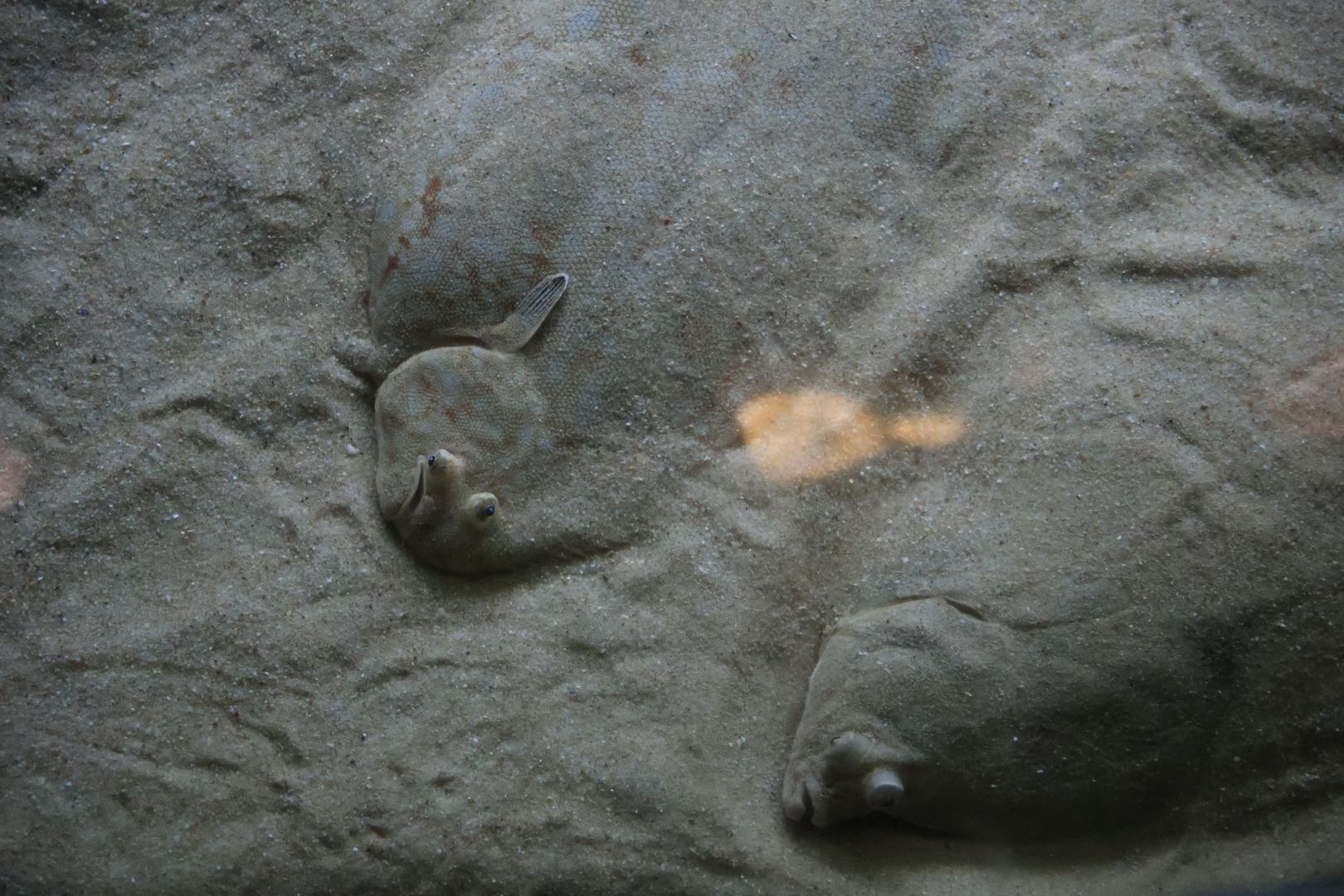
The quarantine tank should be simple enough to clean completely and stable enough to support observation. A bare-bottom glass or inert plastic tank makes feces, shed material, uneaten food, and external parasites easier to see and remove. Use a fitted lid, an appropriately sized reliable heater, a thermometer that has been independently checked, gentle aeration, and a seasoned sponge filter. PVC sections or other inert shelters provide cover without creating porous surfaces that are difficult to disinfect. Avoid gravel, soil, porous ornaments, and permanent biological media that cannot be removed or sterilized efficiently.

Two flat-bodied fish resting on the bare sandy bottom of an aquarium
A simple quarantine environment makes waste, behavioral changes, and early clinical signs easier to detect before they threaten the established display.

A seasoned sponge filter is useful because it supplies established nitrifying bacteria, but its origin must be controlled. A sponge taken from the display can transfer the very organisms quarantine is intended to contain. The safer approach is to maintain spare sponge filters in a separate fish-free reservoir, or to cycle quarantine media using a documented, pathogen-controlled source. Keep the tank isolated from display-tank splash, shared sumps, and common return lines. Site diagrams, written procedures, traceability, and staff responsibilities are also emphasized in aquatic animal quarantine guidance.

Equipment must have lanes just as clearly as a competition pool. Assign nets, siphon hoses, specimen cups, forceps, towels, test kits, and feeding tools to the quarantine system. Color coding prevents a tired or distracted operator from moving a tool into the display by mistake. Handle the healthiest or cleanest systems first and quarantine systems last. Wear task-specific waterproof gloves, cover broken skin, wash hands between systems, and use eye protection where splashing is possible. These precautions matter because fish-associated organisms can move through water, biofilm, surfaces, and instruments, and some, including Mycobacterium marinum, can infect people through damaged skin. Following the FELASA-AALAS aquatic biosecurity recommendations helps ensure that mechanical vectors do not transfer microscopic threats between holding tanks and display ecosystems.

  • Remove organic debris before disinfection because proteins and biofilm can shield microorganisms.
  • Rinse and dry equipment completely after cleaning, using a disinfectant appropriate to the material and species being kept.
  • Observe the disinfectant label for concentration, contact time, ventilation, and rinsing requirements.
  • For heat-tolerant equipment, controlled thermal treatment can provide an additional barrier, but avoid damaging nets, seals, plastics, or electrical components.
  • Never return quarantine water, filter squeezings, or wet tools to a display system.

Managing Bio-Load and Environmental Stability Under Load

Quarantine is often a bare, unplanted system, so there is little margin for sudden waste production. Fish may arrive stressed, heavily fed before shipment, or carrying damaged tissue that increases metabolic demand. Begin with conservative stocking, strong surface agitation, and frequent testing. Ammonia and nitrite deserve priority, while nitrate, pH, temperature, dissolved oxygen, and salinity or conductivity provide the wider stability picture. Temperature is not merely a comfort setting: fish are poikilothermic, so it influences metabolism, immune activity, and the response to disease.

Pre-seeding a sponge filter can reduce nitrogen instability, but biological maturity should never override pathogen security. If a safe, isolated seed source is unavailable, use a new sponge and manage the initial load with small meals, waste removal, and carefully prepared water changes. Record every intervention. The goal is not to keep numbers within a vague acceptable range, but to identify direction, rate of change, and the fish’s response to that change.

Parameter What to track Operational response
Temperature Current value and daily variation Correct heater or room instability gradually and verify with a second thermometer
Ammonia Presence, concentration, and trend Reduce feeding, remove waste, increase aeration, and perform a prepared water change when necessary
Nitrite Presence and trend during filter establishment Increase testing frequency and avoid adding further animals
pH and alkalinity Stability rather than a single reading Investigate source water, biological demand, and water-change consistency
Dissolved oxygen Measurement where possible, plus surface behavior Improve gas exchange and check for temperature or organic-load stress
Salinity or conductivity Daily consistency for sensitive species Match acclimation water carefully and replace evaporated water correctly

Preventing Biological Invasions and Latent Pathogen Transfer

The most dangerous introduction is not always the visibly diseased fish. It may be a carrier that eats normally while releasing parasite stages, eggs, or contaminated water. A documented case involving Pacific tripletail showed how a single subclinically infected wild fish introduced Neobenedenia and Caligus into a closed system. After approximately one month, fish developed flashing, rubbing, epithelial lesions, and mortality. Juvenile Neobenedenia later demonstrated that eggs had hatched inside the system, creating reinfestation despite an earlier freshwater bath.

This is why quarantine must include the environment, not merely the animal. Incoming macro-organisms, live rock, plants, driftwood, shells, and botanical decor can carry eggs, cysts, snails, larvae, or microbial films. A freshwater bath may be useful for some marine organisms under appropriate species-specific supervision, but it is not a universal clearance procedure. Diagnosis, life-cycle timing, and follow-up observation determine whether a treatment has actually interrupted transmission.

  • Inspect all incoming material under strong lighting and, where appropriate, magnification.
  • Keep wet packaging water out of the quarantine tank and dispose of it as a contaminated waste stream.
  • Use dedicated tubs for rinsing, bathing, sampling, and recovery.
  • Remove visible debris and eggs from tank surfaces, shelters, and collection devices at scheduled intervals.
  • Disinfect or retire materials between batches, especially after unexplained illness or mortality.

Containment programs for boats provide a useful operational model. The Golden Mussel Prevention Program combines inspection, decontamination, quarantine, and exit checks because standing water and attached debris can transport organisms between otherwise separate water bodies. Aquarium practice should apply the same logic at a smaller scale: wash down equipment, drain all residual water, dry when compatible with the material, and enforce a defined clean interval before reuse. A short visual inspection cannot replace a life-cycle-aware barrier.

The 30-Day Clinical Observation Timetable

Thirty days is a practical observation framework, not a universal guarantee. Species, temperature, life cycle, shipping history, jurisdictional requirements, and suspected pathogens may require a longer period. The record should include photographs, feeding response, behavior, water results, treatments, mortalities, and any diagnostic samples. Fresh samples matter because fish tissues deteriorate quickly, and wet mounts of skin, fins, and gills can be valuable when parasite disease is suspected.

Observation should be active rather than passive. Watch the fish before feeding, during feeding, and after maintenance. Count opercular movements when respiration appears abnormal, note surface gasping or hiding, and compare individuals rather than relying only on a generalized impression. Environmental management commonly comes before medication, while treatment should be selected against an identified or strongly supported problem.

  1. Days 1 to 7, decompression and baseline control. Keep handling minimal and provide species-appropriate shelter. Establish the fish’s normal respiration rhythm, posture, coloration, swimming pattern, and response to small, digestible meals. Check ammonia and nitrite frequently because shipping stress and sudden waste production can destabilize an unplanted tank. Record external injuries, fin damage, abnormal feces, refusal to eat, and signs of osmotic stress.
  2. Days 8 to 21, clinical emergence and diagnostic tracking. This is the main inspection lane for delayed signs. Look for flashing, excess mucus, frayed fins, epithelial lesions, clamped fins, weight loss, cloudy eyes, abnormal buoyancy, rapid gill movement, or persistent isolation. Parasites may become more apparent as the fish resumes normal activity. If safe and necessary, an aquatic veterinarian or qualified diagnostician can guide skin, fin, or gill sampling. Do not interpret a single negative test as absolute clearance, especially when pooled samples or intermittent shedding may reduce detection sensitivity.
  3. Days 22 to 30, conditioning and clearance. Confirm sustained appetite, stable body condition, normal respiration, and consistent behavior through routine disturbances such as feeding and maintenance. Complete any species-appropriate treatment course and respect its required withdrawal, observation, or water-change period. Replace or disinfect quarantine equipment according to the exposure history, then move the fish using clean containers and minimal shared water. Clearance should be a documented decision, not an assumption based solely on the passage of time.

Master Your Deck Protocol to Protect Long-Term Aquatic Health

Quarantine discipline separates reactive problem-solving from sustained aquatic mastery. The strongest system is not the one with the largest medication cabinet, but the one that prevents uncertainty from entering the display unchecked. A clean tank, isolated equipment, reliable records, controlled water quality, and patient observation create a sequence in which each decision is based on evidence rather than alarm.

Shortcuts can save an hour while costing years of ecosystem stability. Maintain a permanent quarantine station, keep spare hardware ready, train every caretaker in the same lane-by-lane workflow, and review the protocol after every unusual event. When quarantine becomes standard operating practice, new arrivals receive a fair acclimatization period and the established display retains the biological stability that advanced aquarists work so hard to build.

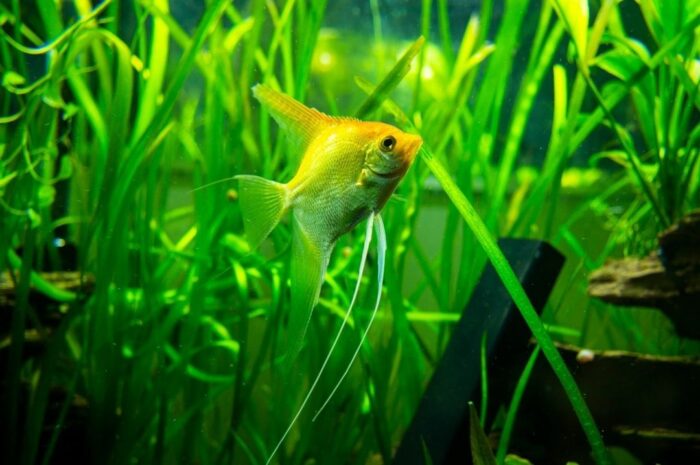
Yellow angelfish swimming among plants in a freshwater aquarium

Hard Water vs Soft Water: Matching UK Tap Water to Appropriate Species

Understanding Your Pool Baseline Before Diving In

UK tap water is not an inert canvas waiting for an aquarist to impose a preferred formula. It is the product of local geology, rainfall, catchment management and treatment processes. Water that has passed through chalk or limestone collects substantial calcium and magnesium. Water draining from granite, peatland or other resistant rock generally carries fewer dissolved minerals. That regional baseline influences hardness, alkalinity and often the direction in which pH naturally settles.

The comparison with competitive swimming is useful. A serious swimmer does not arrive at an unfamiliar pool and assume that depth, temperature, lane width and water movement are irrelevant. Those conditions affect stroke efficiency, pacing and recovery. Fish face an even more constant relationship with their water. Their gills, skin and kidneys must regulate internal salts every minute of every day. The practical objective is therefore clear: test the local baseline, then choose species whose physiology is suited to it. Constantly forcing unsuitable chemistry creates maintenance fatigue and can impose chronic osmotic stress.

Decoding General and Carbonate Hardness at the Deck Level

General hardness, usually written as GH and measured in degrees of German hardness, describes the concentration of dissolved calcium and magnesium. These minerals are not merely scale-forming nuisances. Fish use electrolytes for nerve function, muscle contraction, skeletal development and fluid regulation. Invertebrates require calcium for shells and moulting, while aquatic plants can also be affected when mineral availability is very low.

Carbonate hardness, or KH, describes the water’s carbonate and bicarbonate content. Its key role is buffering. KH absorbs acids produced by biological filtration, respiration and decomposing organic material, helping prevent a sudden fall in pH. GH and KH can move together in chalk-influenced water, but they are not interchangeable. A tank may have measurable GH with limited KH, or strong KH with a different mineral profile, so both should be tested rather than inferred from one another.

Degrees of German hardness provide a practical field language. One dGH is approximately equivalent to 17.8 milligrams per litre of calcium carbonate. Broad categories are useful as an initial briefing, although exact fish requirements vary and municipal water can change seasonally.

  • Very soft: below about 4 dGH, often associated with upland or granite-influenced catchments.
  • Soft to moderately hard: roughly 4 to 12 dGH, suitable for many adaptable community species.
  • Hard: approximately 12 to 18 dGH, favoured by many livebearers and mineral-demanding species.
  • Very hard: above 18 dGH, where species selection becomes particularly important.

Reliable testing should begin with the supply entering the aquarium, not with assumptions based on a national map. The Drinking Water Inspectorate’s hardness guidance explains how dissolved calcium and magnesium establish a regional baseline. Aquarium test kits then translate that baseline into GH, KH and pH readings that can be monitored over time. Stability usually matters more than chasing a perfect decimal value.

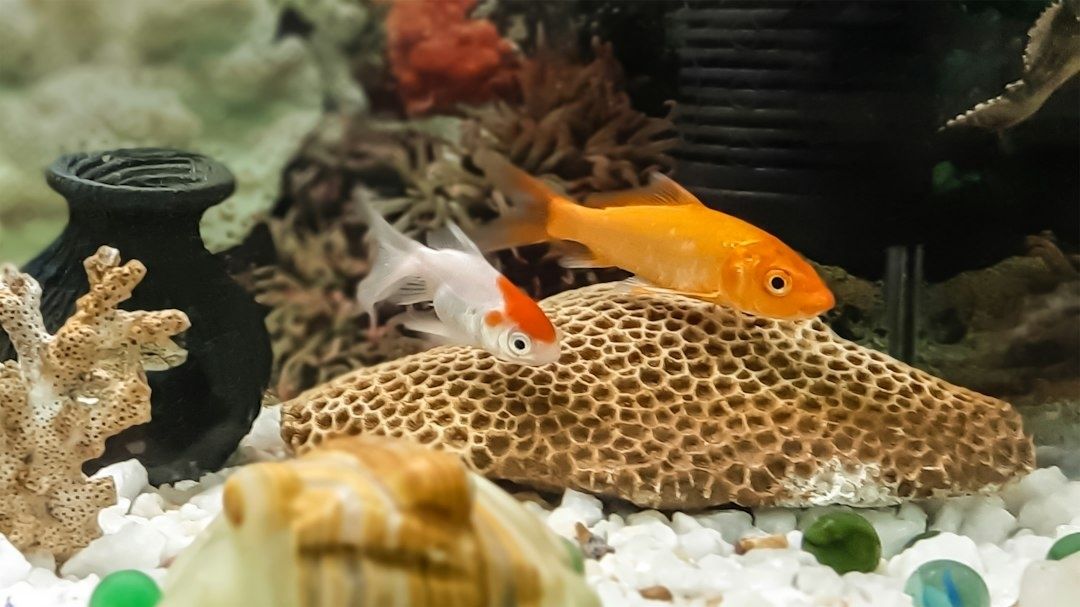
Two goldfish swimming over aquarium coral and white gravel
Regular GH, KH and pH testing turns regional water chemistry into a reliable stocking plan. Tracking these values over time is more useful than reacting to a single reading.

Mapping the UK Aquatic Landscape from Granite Lochs to Chalk Basins

UK water chemistry changes dramatically across short geographic distances. Scotland, Wales and parts of Northern Ireland often receive water influenced by granite, sandstone, peat and other relatively resistant materials. These catchments commonly produce softer water with lower alkalinity, although local treatment and individual supply zones still matter. Southern and Eastern England contain extensive chalk and limestone formations. Rainwater moving through these porous rocks dissolves calcium carbonate and enters aquifers with a higher mineral load.

London is a prominent example of chalk-derived hardness. Many supplies in and around the capital are hard or very hard, and their carbonate content can support a naturally alkaline pH. That does not mean every London tap has identical readings, and it does not mean pH alone tells the complete story. GH, KH and pH should be measured together, preferably from the exact tap used for water changes. The following table is a planning guide, not a substitute for local testing.

UK zone Typical GH tendency Typical KH tendency Common pH direction
Scottish Highlands and granite uplands Very soft to soft, often below 6 dGH Low to moderate Slightly acidic to neutral
Wales and western upland catchments Soft to moderately hard Low to moderate Acidic to neutral
Northern England Variable, soft in uplands and harder in limestone districts Variable Neutral to alkaline
Midlands Moderately hard to hard Moderate to high Neutral to alkaline
Southern and Eastern England Hard to very hard, commonly above 12 dGH Moderate to high Neutral to alkaline
London and chalk basins Hard to very hard Moderate to high Often alkaline, commonly above pH 7

The Biophysical Toll of Osmotic Shock and Cellular Drag

Fish do not simply sit in water; they actively negotiate it. Gills contain specialised cells that control the movement of sodium, chloride, calcium and other ions between the bloodstream and the surrounding water. The kidneys and internal fluids then maintain the correct balance. When external water differs sharply from the species’ natural environment, the fish must spend more energy on regulation. That energy is diverted from growth, immune response, digestion, breeding and recovery.

Amazonian soft-water specialists illustrate the problem. Many South American characins and dwarf cichlids evolved in waters with low conductivity and limited dissolved minerals. Placing them into very hard, alkaline water does not guarantee immediate collapse, but it can create sustained physiological pressure. The fish may become less active, lose condition, show poor appetite or fail to reproduce. Highly sensitive species, including some discus and delicate shrimp, can be especially difficult to maintain where hardness is far above their preferred range.

Osmotic stress is rarely the only factor in a failing aquarium, so diagnosis must remain disciplined. Poor filtration, inappropriate temperature, overcrowding and disease can produce similar symptoms. However, unexplained decline in a chemically mismatched tank deserves attention.

  • Persistent clamped fins, hiding or unusually rapid breathing can indicate chronic stress.
  • Loss of body mass, poor colour and repeated refusal of food suggest that long-term energy expenditure is too high.
  • Failed moults in shrimp, weak shells in snails and abnormal development can point toward mineral imbalance.
  • White deposits, scale-like marks or irritation may reflect water chemistry, but should not be treated as proof of one diagnosis without testing.
  • Sudden changes in GH, KH or pH are often more dangerous than a stable reading that is not ideal.

Water chemistry should therefore be changed gradually, if it must be changed at all. Rapid dilution with untreated reverse-osmosis water or abrupt mineral dosing can create a second osmotic shock while attempting to correct the first problem.

Lane Assignments for Selecting Species That Match Your Tap

Hard-water aquariums have strong, practical stocking options. African rift lake cichlids are adapted to mineral-rich, alkaline environments, although their aggression, territory requirements and high bioload demand careful design. Livebearers such as guppies, platies and mollies generally perform well in harder water, with mollies particularly dependent on adequate mineral content. Many rainbowfish also suit moderately hard to hard water, provided the aquarium offers swimming room, strong filtration and an appropriate group size.

Soft-water systems open a different lane. South American characins, selected dwarf cichlids and many labyrinth fish can thrive when GH and KH are low and stable. Botanically active aquariums may use wood, leaf litter and active substrates to recreate the character of natural habitats, but these materials do not remove the need for testing. A low-KH tank can acidify quickly as biological acids accumulate, so soft water demands close monitoring rather than a relaxed approach.

Use the following four-step checklist before committing to a stocking plan:

  1. Test the source: Measure GH, KH and pH from the actual tap used for water changes. Repeat on different days if the result appears unusual, and check the local water supplier’s published data for context.
  2. Define the stable lane: Record the average rather than reacting to a single reading. Note seasonal changes, filtration methods and whether the household tap passes through a softener. Aquarium water should normally come from an unsoftened supply because domestic ion exchange can replace calcium and magnesium with sodium.
  3. Choose species around the baseline: Start with fish whose established care range overlaps the measured values. Prioritise adult size, social needs, temperature, swimming space and compatibility, not hardness alone.
  4. Stock and monitor progressively: Add livestock in stages, allow biological filtration to respond, and test after water changes, heavy feeding or unusual behaviour. If adjustment is unavoidable, use gradual mixing or controlled remineralisation rather than abrupt chemical correction.

Consistency is the performance advantage. A stable hard-water aquarium with suitable fish is generally a better long-term prospect than a soft-water display that requires constant acid buffers, repeated dilution and emergency corrections. The same principle applies in reverse: soft-water species benefit from a carefully maintained low-mineral system, not from being pushed into a hard, alkaline environment simply because the local tap is convenient.

Master Your Parameters for Long Term Aquatic Success

Regional geology gives every aquarium a starting lane. Chalk basins, limestone aquifers and mineral-rich supplies naturally support fish that evolved with greater calcium and carbonate availability. Granite, peat and upland runoff more often suit species from soft, low-conductivity habitats. Matching livestock to that baseline reduces the need for aggressive intervention, lowers the chance of osmotic fatigue and makes routine maintenance more predictable.

Build the system around measured stability. Test GH, KH and pH on a repeatable schedule, keep written records, and investigate trends before symptoms become severe. A disciplined aquarist does not chase every small fluctuation or treat a single number as the entire health picture. The strongest result comes from selecting the right lane, maintaining clean mechanics and allowing fish physiology to work with the water rather than against it. Your local tap may already be the most sustainable foundation for a thriving aquarium, provided the species are chosen with precision.

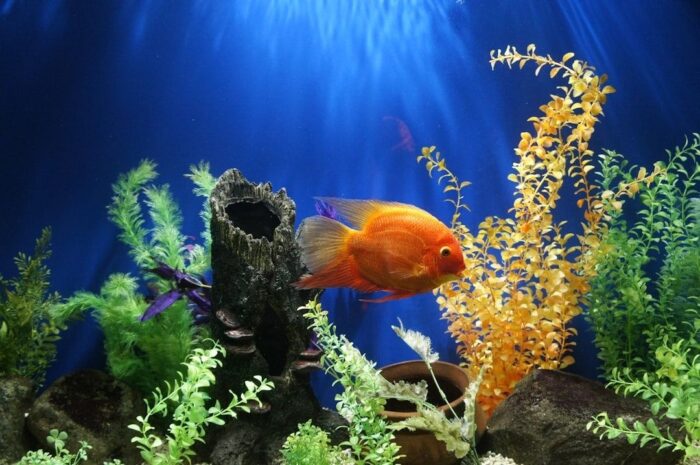
Orange fish swimming among plants and driftwood in a blue aquarium

Mastering the Nitrogen Cycle: The Poolside Playbook for Beating New Tank Syndrome

Setting Up Your Blocks Before the Starter Pistol

A new aquarium should never be treated as race-ready simply because the glass is full, the heater is running, and the filter is producing flow. In poolside terms, placing fish into an unconditioned system is the equivalent of sending an athlete into a sprint without developing aerobic capacity, stroke efficiency, or recovery control. The setup may look prepared, but its biological engine is not yet capable of handling the workload. A disciplined new tank syndrome prevention plan gives the filter time to develop the bacterial colonies that process fish waste before livestock is asked to carry the load.

New Tank Syndrome describes the period when an immature biological filter cannot process the ammonia and nitrite produced by fish, food, and decomposing organic matter. The nitrogen cycle is the relay, and it has three biochemical lanes: ammonia must first be converted into nitrite, nitrite must then be converted into nitrate, and nitrate must finally be controlled through water changes, plant uptake, and sensible stocking. The process may take two to eight weeks, and in some systems beneficial bacteria can take considerably longer to establish. The objective is not to force a fixed timetable, but to measure progress until the water proves that the filter is ready.

Lane One Tackling the Initial Surge of Ammonia

The opening leg begins as soon as organic material enters the aquarium. Fish release ammonia primarily through their gills, with additional waste coming from urine and faeces. Uneaten flakes, pellets, frozen food, dead plant material, and other debris also break down into ammonia as microorganisms decompose them. In a mature aquarium, established microbes process this waste continuously. In a new tank, however, the bacterial squad is still assembling, so even a modest first stocking can produce a sharp and dangerous rise.

Ammonia is particularly hazardous because the unionised form, NH3, can pass through delicate gill tissue and interfere with respiration and internal chemistry. Fish may be unable to regulate ammonia leaving their bodies, while damaged gills reduce the efficiency of oxygen and carbon dioxide exchange. Toxicity is influenced by temperature and pH, with warmer, more alkaline water generally containing a greater proportion of the more dangerous unionised form. Because ammonia is colourless and odourless, clear water is not evidence of safety. A reliable liquid test kit is more valuable than visual inspection.

The first bacterial relay is commonly associated with Nitrosomonas. These ammonia-oxidising bacteria use ammonia as an energy source and produce nitrite as a by-product. The colony does not appear at full strength on the day a filter is switched on. It needs an oxygenated surface, a steady food source, suitable water chemistry, and time to reproduce. Any measurable ammonia in a stocked aquarium should be treated as a warning rather than a tolerable background figure. If ammonia is detected, stop feeding, check the test result with a fresh kit, improve aeration, and carry out a substantial partial water change. A 25 to 50 percent change is a common emergency response, although the needs of the livestock and the severity of the reading must guide the decision.

  • Target ammonia in a stocked aquarium is 0 ppm.
  • Use a dechlorinator that neutralises chlorine and chloramine before water reaches the filter and fish.
  • Keep feeding deliberately light during the early cycle, removing food that remains uneaten.
  • Check pH and temperature because both affect the toxicity of ammonia.
  • Do not interpret a bacterial starter as proof that the tank is cycled. Confirm performance with repeated test results.

Lane Two Navigating the Invisible Nitrite Wall

Once ammonia begins to fall, the relay has not finished. The next hazard is nitrite, which often creates the most deceptive stage of a new aquarium. The water may look bright and the ammonia test may appear improved, yet nitrite can be accumulating faster than the second bacterial colony can process it. This is the biological equivalent of a swimmer reaching the cardiovascular wall halfway through a race. The system appears to be moving forward, but the next conversion lane is overloaded.

Nitrite is toxic because it interferes with the blood”s ability to transport oxygen. Fish exposed to elevated nitrite may gasp at the surface, breathe rapidly, become lethargic, lose appetite, or congregate near filter outlets where oxygen exchange is strongest. Brownish gill tissue, sometimes described as brown blood disease or gill brownout, is a serious warning sign. These symptoms require immediate action, not a wait-and-see approach. The technical guidance on aquarium ammonia also highlights how quickly poor water quality can weaken fish and increase susceptibility to disease.

The second relay is often associated with Nitrobacter and related nitrite-oxidising bacteria. These organisms convert nitrite into nitrate, which is considerably less acutely toxic at ordinary aquarium concentrations. Their development may lag behind the first ammonia-consuming colony, creating the familiar mid-cycle spike. Water changes dilute nitrite and protect livestock, but they do not remove the bacteria living mainly on filter media. A carefully managed change therefore supports the race rather than resetting it. Avoid replacing all biological media, washing it under chlorinated tap water, or using medications that damage the colony unless there is a specific veterinary reason.

  • Target nitrite in a stocked aquarium is 0 ppm.
  • If nitrite is detectable, increase testing frequency and consider a partial water change.
  • Add extra aeration because nitrifying bacteria and stressed fish both require strong oxygen availability.
  • Pause or sharply reduce feeding until the reading returns to zero.
  • Stock slowly. A new group of fish can create a second spike even after the first cycle appears complete.

Biochemical Splits Tracking the Nitrogen Relay Stages

Each nitrogen compound represents a different split in the race, with its own risk profile and management priority. Ammonia and nitrite are the active hazards. Nitrate is the finishing product that signals the relay is functioning, but it still accumulates and must be managed. A tank is commonly considered cycled when ammonia and nitrite remain at zero and nitrate is present at a controlled level, often below 30 ppm according to practical aquarium guidance. Exact limits depend on species, plants, water chemistry, and the reliability of the test method.

Stage Main source or converter Risk profile Poolside intervention
Ammonia Fish gills, urine, faeces, and decomposing food Highly toxic, especially as unionised NH3 Stop feeding, test pH and temperature, improve aeration, and perform a partial water change
Nitrite Produced when ammonia is oxidised by Nitrosomonas Interferes with oxygen transport and can cause rapid distress Dilute with a partial water change, maintain oxygenation, and protect biological media
Nitrate Produced when nitrite is oxidised by Nitrobacter and related bacteria Less acutely toxic, but chronic elevation stresses fish and encourages algae Use regular partial changes, moderate feeding, plant growth, and controlled stocking

The Conditioning Protocol for a Resilient Biofilter

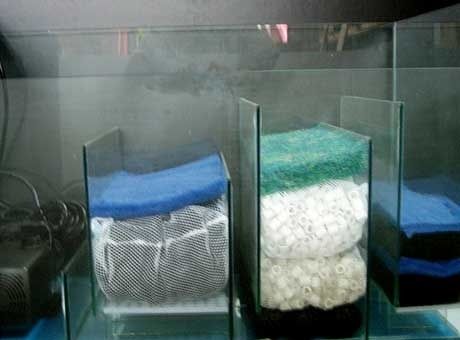
The most controlled method for a new aquarium is a fishless cycle using a measured synthetic ammonia source. This approach supplies the bacterial colony with fuel without exposing fish to the toxic training environment. Begin by setting up the tank fully, including substrate, hardscape, plants, heater, filter, and aeration. Treat the water with a conditioner that removes chlorine and chloramine, then run the equipment continuously. The filter should have ample oxygenated media because nitrifying bacteria colonise surfaces rather than floating freely in the water.

Aquarium filter compartments holding blue, green, and white media
Biological media gives beneficial bacteria the stable, oxygen-rich surfaces they need to process waste before fish are introduced.

Add a known amount of aquarium-safe ammonia according to the product instructions and test after the dose has dispersed. Avoid guessing with household ammonia, which may contain fragrances, surfactants, or other additives. Test ammonia, nitrite, nitrate, pH, and temperature every 48 hours. The purpose is to chart the curve: ammonia rises, then begins to fall as the first colony develops; nitrite rises afterward, then falls as the second colony becomes established. The tank is ready only when a controlled ammonia dose can be processed to zero ammonia and zero nitrite within an appropriate period, with nitrate accumulating as expected. Advice from Aquacadabra”s cycling guide similarly stresses testing, patience, and gradual loading rather than relying on a calendar alone.

  1. Prepare and dechlorinate the aquarium, then run filtration, heating, and aeration continuously.
  2. Introduce a measured ammonia dose and record the date, quantity, pH, temperature, ammonia, nitrite, and nitrate.
  3. Repeat testing every 48 hours and avoid adding more ammonia until the previous dose has been processed or the instructions for the chosen method require it.
  4. When ammonia and nitrite repeatedly return to zero, verify the filter with a measured test dose rather than immediately adding a full community.
  5. Perform a large partial water change to reduce accumulated nitrate before introducing the first fish.
  6. Add a small initial group, feed sparingly, and test daily or every other day for the first week after stocking.

Stocking is a new training block, not a finish-line celebration. Even a tank that has completed a fishless cycle can struggle when the biological workload changes suddenly. Add compatible fish in stages, leaving time for the bacterial population to expand. Quarantine new livestock where possible, because disease prevention and nitrogen management are separate parts of responsible fishkeeping. Live plants can absorb some nitrogen compounds and offer additional biological surface area, but they do not replace testing or a properly sized filter.

Maintenance should protect the biofilter while removing waste from the system. Rinse mechanical sponges and other trapped-waste media in water removed during a partial change, never under untreated tap water. Replace media only when it is physically failing, and never discard all established media at once. Keep filter flow, surface agitation, temperature, and oxygen levels stable. Treat every major clean, prolonged power cut, medication course, or sudden increase in stocking as a possible interruption to the training programme.

Bring Your Aquatic System to Peak Form

A stable aquarium is built through biological conditioning, not shortcut chemical cures. Bottled bacteria may assist in some circumstances, but only measured ammonia, nitrite, and nitrate results demonstrate that the filter is carrying its workload. The disciplined route is straightforward: establish the equipment, provide a controlled ammonia source, track the relay, correct deviations promptly, and increase the fish load in manageable blocks.

The first six weeks can feel slow, particularly when an empty aquarium is already visually complete. That patience pays dividends in clearer water, healthier gills, fewer disease outbreaks, and a system capable of recovering from ordinary feeding and maintenance errors. Before the first active swimmers enter the tank, run this coach”s checklist:

  • Ammonia is consistently 0 ppm.
  • Nitrite is consistently 0 ppm.
  • Nitrate is measurable but controlled through a planned water change.
  • pH and temperature are stable and suitable for the intended species.
  • Filtration and aeration have operated continuously.
  • The first stocking group is modest, compatible, and supported by a feeding plan.
  • Fresh test kits, dechlorinator, and water-change equipment are ready at poolside.

The Impact of Aquarium Lighting on Fish Behavior and Plant Growth

Aquarium lighting does more than just let you see your fish. It’s a critical element that influences fish behavior, plant growth, and the overall health of your aquarium. Creating a thriving underwater world means understanding the complex relationship between light and aquatic life.

Light and Fish Behavior

Light significantly shapes fish behavior. In nature, light dictates their circadian rhythm, foraging, reproduction, and social interactions. In an aquarium, artificial light can disrupt these behaviors if not managed correctly. Studies, such as those in Frontiers in Marine Science and Jurnal Biologi Tropis, highlight how light intensity, spectrum, and duration can alter a fish’s aggression, movement, and more. Research indicates that even low light levels (around 100-200 lux) can influence diurnal fish, as detailed in a study on bioRxiv.

Circadian Rhythms

Fish, like most organisms, have an internal biological clock (circadian rhythm) influenced by light. This regulates sleep-wake cycles, feeding, and hormones. A consistent light-dark cycle is vital. Disruptions can cause stress and behavioral changes. A study on PMC, examining light’s effects on krill and cod, showed that even subtle light variations can alter behavior.

The Threat of Light Pollution

Artificial light at night (ALAN) is a growing concern. Research on zebrafish, discussed by CRnet Oy and Neuroscience News, shows that ALAN, especially blue light, induces stress, reduces activity, and impacts future generations. The Neuroscience News study found that zebrafish exposed to blue light at night displayed anxiety, reduced swimming, and increased shoaling. Offspring also showed reduced activity without direct ALAN exposure, indicating transgenerational effects. This emphasizes mimicking natural light cycles and minimizing nighttime light.

Light Spectrum, Intensity, and Fish

Different fish have unique light preferences. Research on flashlight fish (*Photoblepharon steinitzi*) and guppies shows how wavelength and intensity affect behaviors. An IGB article showed nighttime light could increase guppies’ risk-taking. The Frontiers in Marine Science study showed flashlight fish use bioluminescence for communication, increasing blink frequency when threatened. Constant light increased aggression. Research at Ruhr-Universität Bochum confirmed flashlight fish’s sensitivity to blue light.

Sudden Light Changes

Often overlooked is stress from abrupt light changes. Tropical Fish Hobbyist Magazine highlights that sudden shifts stress fish, as their eyes adapt slowly. Fish use a gradual cell migration process. Sudden changes can trigger panic, leading to erratic swimming and increased disease risk. Timers, as recommended on Wikipedia, can gradually adjust light intensity, mitigating this.

Predator-Prey Dynamics

Light can alter predator-prey interactions. A study off Brazil’s coast, described in Scielo, observed how artificial lights attracted fish. This concentrated both predator and prey, potentially increasing predation risk. This is important to consider in mixed-species aquariums.

Lighting Types: A Comparison

Choosing the right lighting involves understanding the pros and cons of different types. Here’s a comparison:

Lighting Type Pros Cons Impact on Fish Impact on Plants
LED Energy-efficient, long-lasting, customizable spectrum and intensity, low heat. Initial cost can be higher. Generally positive; can be tailored to species’ needs. Avoid sudden intensity changes. Excellent; spectrum can be optimized for growth.
Fluorescent (T5, Compact) Good spectrum for plants, relatively inexpensive. Less energy-efficient than LEDs, shorter lifespan, can produce some heat. Generally positive if spectrum is appropriate. Avoid sudden on/off. Good for plant growth, especially T5.
Metal Halide High intensity, good for demanding plants and corals, creates shimmer effect. High energy consumption, produces significant heat, can be expensive. Can be stressful if too intense. Provides good light penetration for deeper tanks. Excellent for high-light plants and corals.

Practical Lighting Setup

Setting up aquarium lighting involves several key considerations:

Choosing Wattage and Color Temperature

Wattage determines light intensity. A general guideline for freshwater planted tanks is 1-2 watts per gallon for low-light plants, 2-4 watts for medium-light, and 4+ watts for high-light. Color temperature, measured in Kelvin (K), affects the light’s appearance. For freshwater, 5000-7000K is generally recommended. Saltwater tanks, especially reef tanks, often use higher Kelvin ratings (10,000-20,000K) to simulate the blue light of deeper water.

Photoperiod

The photoperiod (duration of light) is crucial. For most aquariums, 8-12 hours of light is sufficient. Consistency is key. Use a timer to automate the on/off cycle, mimicking natural day-night rhythms. Gradual transitions (simulating sunrise and sunset) are beneficial, reducing stress on fish.

Species-Specific Recommendations

Consider your fish species. For example:

* **Low-light fish (e.g., tetras, rasboras):** Lower wattage, 5000-6500K, 8-10 hour photoperiod.
* **Moderate-light fish (e.g., gouramis, angelfish):** Moderate wattage, 6500-7000K, 10-12 hour photoperiod.
* **High-light fish (e.g., discus, some cichlids):** Higher wattage (if plants require it), 6500-7000K, 10-12 hour photoperiod.
* **Reef tanks:** Specialized lighting requirements depending on coral species, typically high-intensity and specific spectrum (often including blue/actinic light).

Troubleshooting Lighting Issues

Common lighting-related problems include:

Algae Blooms

Excessive light or an imbalanced spectrum can fuel algae growth. Solutions include reducing the photoperiod, adjusting the light intensity, improving water circulation, adding algae-eating creatures, and ensuring proper nutrient levels (avoiding overfeeding).

Fish Stress

Signs of light-induced stress include hiding, erratic swimming, and color loss. If observed, check the light intensity, spectrum, and photoperiod. Ensure gradual light transitions and consider providing shaded areas within the aquarium.

The Future of Aquarium Lighting

Aquarium lighting technology continues to evolve. We can expect more customizable LED systems, allowing precise replication of natural environments. Smart lighting systems, controlled via apps and integrated with other aquarium parameters, are emerging. These systems can automatically adjust light intensity and spectrum based on the time of day, weather patterns, or even the specific needs of the aquarium’s inhabitants, creating a more dynamic and responsive environment.

Conclusion

Aquarium lighting is a multifaceted aspect of aquarium keeping. By understanding its impact on fish behavior and plant growth, and by making informed choices about lighting type, spectrum, intensity, and photoperiod, we can create thriving, balanced, and visually stunning aquatic ecosystems. As an aquarium enthusiast with over 15 years of experience, I’ve seen firsthand how the right lighting can transform an aquarium from a simple tank into a captivating underwater world.

Why Aquatic-Themed Wallpapers at Home?

There are many ways to transform your living spaces. But for anyone who adorns aquatic environments, recreating the marine environment at home undoubtedly tops their list of options. While there are many ways to go about this, having a marine-themed wallpaper goes a long way into bringing the underwater world inside. This article explores the effects of aquarium-inspired wallpapers in any home.

They Foster Tranquility

One of the most attractive aspects of aquarium wallpapers is their ability to foster peace and relaxation. A wallpaper from wallpassion.co.uk showcasing the gentle movement of marine species, swayed sea plants, and soft blues and greens will make any space feel soothing. These wallpapers are a perfect fit for living rooms, bedrooms, or meditation spaces, where tranquility is highly desired. The natural hues in these wallpapers have a calming effect and can help create a peaceful retreat within your home.

They Are Perfect for Themed Spaces

Aquarium-inspired wallpapers are also ideal for anyone planning to create a themed room. Whether you want to decorate your kid”s room or a dedicated room for an aquarium, the underwater theme adds an element of sophistication. In bathrooms, for instance, aquatic imagery can significantly complement the water-centric spaces, thus enhancing the room”s overall aesthetic.

Aquarium-inspired wallpapers are more than just a decorative – they infuse your home with the serene beauty of the ocean.

Fresh and Saltwater Aquariums: Examining Their Pros and Cons

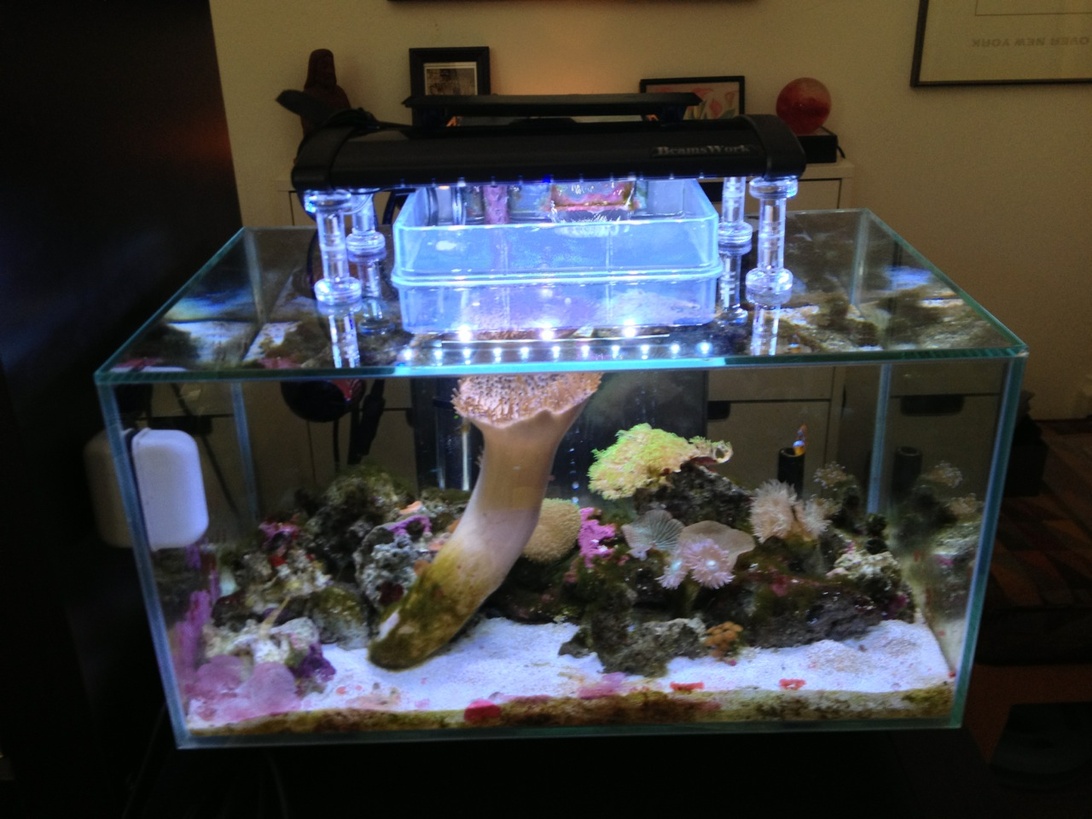
When getting an aquarium, most of the options you come across are saltwater and freshwater tanks. An easy way to differentiate between the two is by checking the aquarium’s contents. Freshwater aquariums typically have a wider variety of plants. Salty aquariums have coral fish instead. You can also judge based on the type of fish in the aquariums, with saltwater ones having more vibrant-coloured species. Below are some pros and cons of each aquarium type to help you select the right one.

Freshwater Aquariums

Pros of Freshwater Aquariums

Freshwater fish tanks are more beginner-friendly because of their versatility. In addition, there is a wide variety of fish and plants to consider for the aquarium. Furthermore, a freshwater aquarium is easy to maintain, as it does not involve monitoring the levels of dissolved oxygen and salt content in the water. Freshwater fish are also easier to feed, thanks to their simple diets.

Another standout advantage is their lower cost than saltwater aquariums, as they require less equipment. The costs can be lowered further by opting for a small or even nano tank.

Cons of Freshwater Aquariums

The main disadvantage of freshwater fish tanks over saltwater alternatives is that the fish are generally less colourful. The tanks also do not have coral reefs.

Salty Aquariums

Pros of Saltwater Aquariums

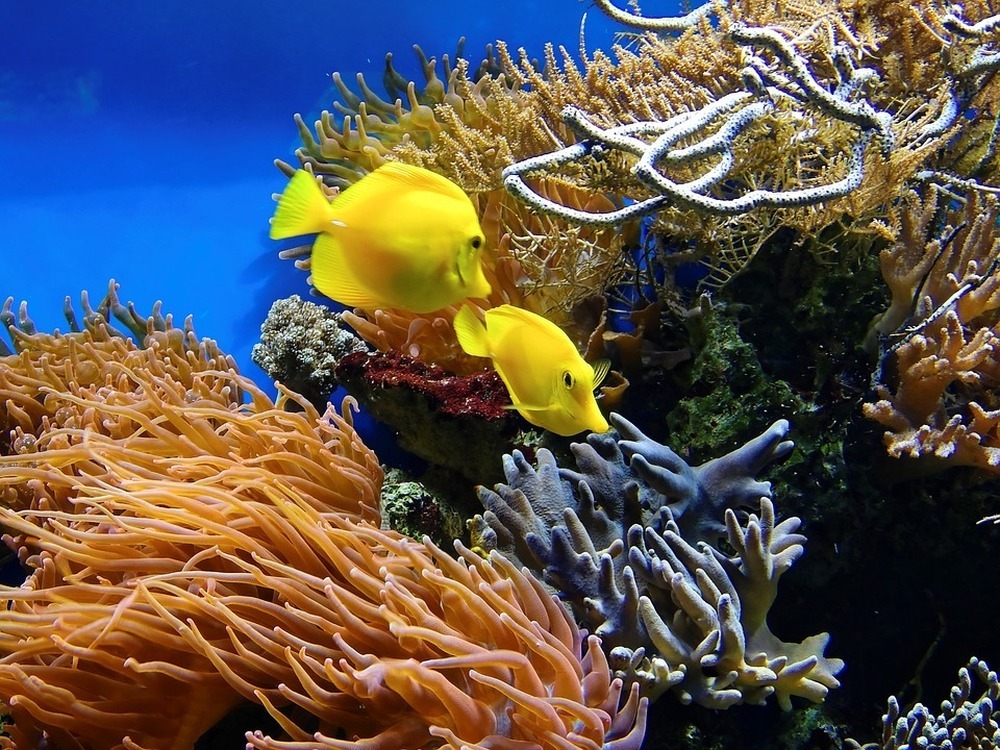
A standout attraction towards saltwater tanks is the fish, which boast vibrant colours and appearance. These aquariums can also have unique invertebrates, such as sea anemones and snails, which helps keep the tank fascinating.

Cons of Saltwater Aquariums

Saltwater aquariums require more knowledge and experience to maintain. That is because it involves keeping track of water salt content and oxygen levels. Ideally, aquarium conditions have to remain pretty constant, creating more room for potential mistakes that can be devastating. Purchasing saltwater fish and the equipment required for the tank are also more expensive.

Decorating a Home Aquarium Room

In the past, if the average person wanted to look at exotic sea life, they would have to visit a local aquarium. These places are great for anyone comfortable with public venues. However, others may be stressed by how loud and busy they can become.

Luckily times have changed since then. Home aquariums have become very popular. This is due to the fact that both fish and equipment are pretty affordable. With the right budget, it is possible to create a unique looking fish display without ever leaving the house. Some hobbyists even dedicate entire rooms to these tanks. If this is the case, then they need to decorate the surrounding area correctly.

The wrong interior design elements will take away from the splendour of the aquarium. Instead, the owner should order items that complement it. A high quality turquoise rug will make a big impression. The company Trend Carpet sells these in numerous different designs. When a person mixes an impressive fish tank with high-quality floor décor, they will be surprised by the many benefits.

Impressing Friends and Family

A great looking aquarium should not be hidden away. Instead, it needs to be displayed proudly so that visitors are wowed by it. The owner may pick a turquoise rug because it increases the striking visuals of the tank. It could create a good contrast with the hues of the fish.

Colour Tones That Mix Blue and Green

When looking out for applicable floor décor, the person may take ocean colour tones into consideration. The sea tends to be blue, green or a combination of the two. It, therefore, makes sense that a turquoise rug would look great inside of an aquarium room. The ones sold by Trend Carpet are in a shade where blue is the dominant colour.

Picking Traditional or Modern Designs

Before sifting through the turquoise rug catalogue, it is wise to decide on a particular design for the interior. This can be dictated by the nature of the tank and its inhabitants. For example, if it contains flamboyant looking species, then modern-looking rugs are best. If the aquarium has an understated vibe, then traditional ones are ideal.

Placing the Rug Under the Aquarium

Once the item has been ordered, it is time to think about placement. In order to emphasise the look of the tank, the rug may be placed underneath it. If so, it is essential to keep the floor décor dry.

Augmentation for Aquarium Owners

There are undoubtedly many reasons why someone would decide to create their own aquarium. Sometimes it is for the aesthetics. For example, a fish tank can significantly improve the interior design of a home. Other times the person will be focused primarily on collecting rare and exotic aquatic species.

One problem with aquariums is the fact that the owner cannot take them out with them. These tanks have to stay inside the home. Therefore if the person wants to do something that the whole world can see, it is best to focus on their own body. Augmentation has seen a number of significant advancements in recent years. The anatomical implants available from Motiva are cutting edge, reliable and safe.

Doing Plenty of Research

Before the person chooses a provider for aquariums or augmentation procedures, they need to make sure they are reputable. This will involve performing a fair amount of research. For example, they could read customer reviews to get insight into the pros and cons of the company. It is vital that the right tank brand is picked as it can impact the health of the fish. Conversely, a great implant provider will significantly improve the person’s quality of life.

The Balance Between Quality and Value

There will only be a finite amount of money available to spend on these services. The right aquarium should be reasonably priced without sacrificing quality. Luckily clients do not have to compromise when it comes to augmentation. The anatomical implants supplied by Motiva are the best on the market while also being affordable enough for a wide range of people.

A Focus on Safety

There are numerous factors that need to be considered when it comes to choosing both implants and aquariums. The most important one will be safety. If electricity is involved, then the fish tank has to have safeguards in place to prevent accidental shocks. The augmentation provider needs to place a considerable emphasis on the wellbeing of the patient. There should also be follow-up sessions after the surgery.

Practical Implications

Before deciding whether these two services are right for them, the person has to consider the practicality of them. For example, if their home does not have enough open space, then it will severely limit the number of fish tanks available to them. The person may also worry that anatomical implants will impede their mobility. However, modern ones from Motiva are designed to minimise the risks of implant displacement and capsular contracture.

Getting Advice From Experts

Motiva also puts clients in contact with experts who can help them plan the best possible procedures. If someone is unsure about what aquarium to purchase, then it is worth asking advice from people in the know. When choosing both augmentation and fish tanks, it is always important to gain as much insight as possible.

Choosing the Right Wallpaper for Aquariums

When people create their own aquariums, they will likely be focused on the design elements inside of the tank itself. However, the wall décor surrounding it will also play a key role. Since fish tanks are transparent, any wallpaper behind them will shine through. The exception to this is if foil or concrete back coverings are used. However, it has become increasingly common to leave the back of the tank clear. Therefore it is essential to choose the right wall coverings.

Family Wallpapers has a wide selection of décor options to choose from. Many of them are ideal for an aquarium setting. The site offers both traditional wallpaper and photo wall murals.

Blue and Green Colour Schemes

A new aquarium project will allow people to be creative. There are several design techniques to consider when creating an environment for their fish. Colour is a crucial element. It is a good idea to have wallpaper for walls outside the tank in either blue or green hues. This is because these colours will help to mimic the natural habitats of the fish who will be living there.

Fish Photo Wall Murals

Family Wallpapers also has a selection of photo murals that contain images of fish. These are ideal for people who want their entire room to have an aquarium theme. Carefully positioning these murals behind the tank can also create an illusion of depth. It is best if the pictures are of the same fish species that are inside the tank, as this will create a sense of consistency.

Leaf Patterns

If the aquarium owner is looking for a laid back and classical style, then leaf patterns are useful. The ocean is filled with plant life. Utilising leaf wallpaper will evoke images of this kind of flora.